ABOUT US
OUR MISSION
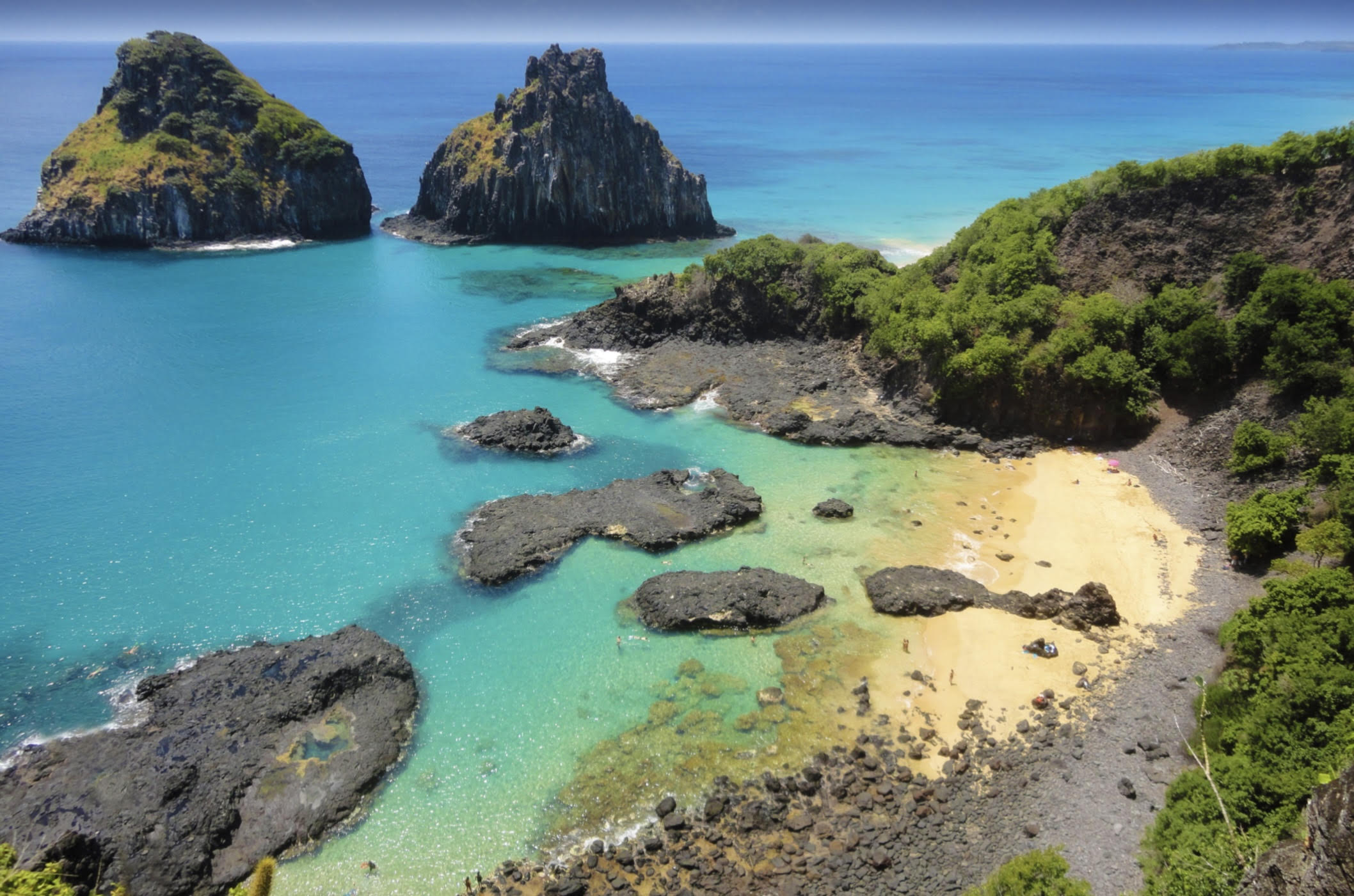
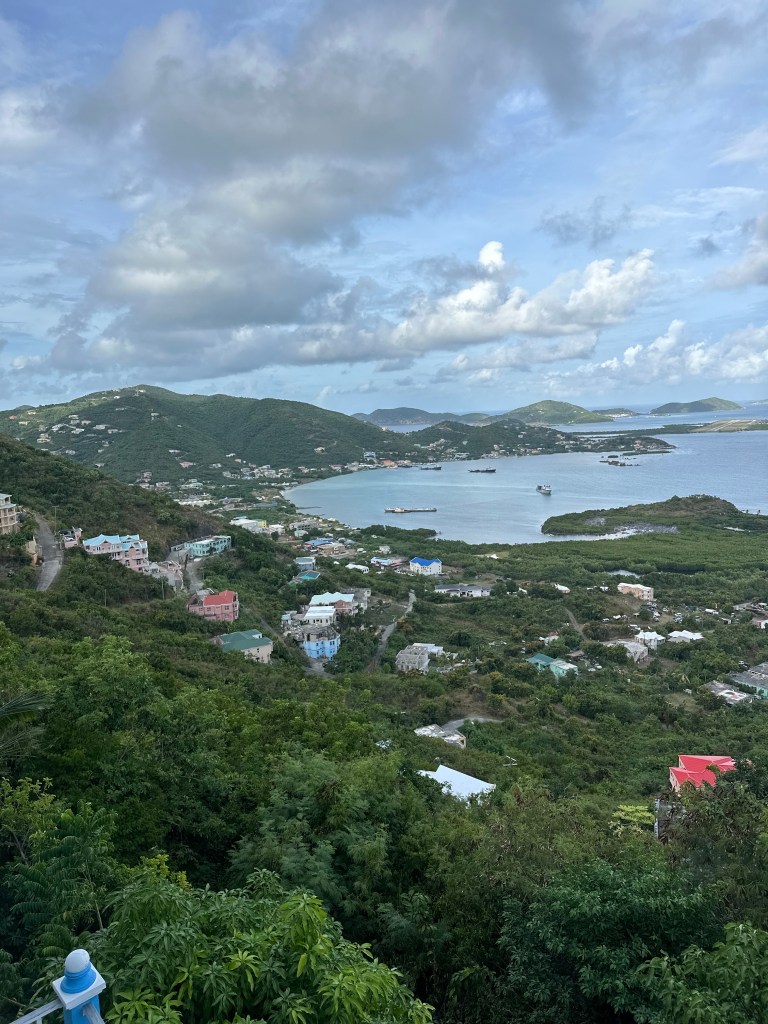
The Caribbean is home to many islands and territories that are often overlooked and understudied, an assemblage that we refer to as ‘The Islands in Between’. These Caribbean territories, rich in unique histories, languages, literatures, and cultures, deserve greater attention and scholarly focus. Our mission is to provide a platform that shines a light on these lesser-known territories through our annual publications and conferences.
This digital hub serves as a comprehensive resource, providing access to every article from our volumes, offering insights into upcoming conferences, and archiving details of past events. By making this wealth of information easily accessible, we hope to inspire further exploration, dialogue, and collaboration around and among ‘The Islands in Between’.
THE BEGINNINGS
The “Islands in Between” conference (or Eastern Caribbean Islands Cultures conference) emerged indirectly from discussions within the English Department of the Faculty of Humanities of the University of Puerto Rico, Río Piedras during the 1990s, where a new PhD program in English was being proposed and was eventually accepted by the university administration. Around this period, the Caribe 2000 project, a multi-year Rockefeller grant led by Professor Lowell Fiet from the same department, was also launched. This PhD program focuses on literature and linguistics with an emphasis on the Anglophone Caribbean. UPRRP English department Professors Joan Fayer and Joan MacMurray, who had specific research interests in British mumming and Eastern Caribbean festival performances (particularly in St. Kitts), invited a Shakespeare mas’ group from Carriacou to perform at UPR in the late 1990s. This led them and their colleagues to propose the idea of holding an annual conference whose particular focus would be on research on the less studied languages, literatures and cultures of the smaller Caribbean islands and territories, in contrast to the more well-researched larger islands like Cuba, the Dominican Republic, Haiti, Jamaica, and Trinidad.


THE FIRST CONFERENCE
The first conference was held on the island of Nevis, in cooperation with the local satellite center of The University of the West Indies (UWI). The Resident Tutor in St. Kitts, responsible for the UWI center in St. Kitts and Nevis, played a key role in organizing the event. Professor Lawrence Carrington, then Head of all UWI’s non-campus centers, officially opened the conference. The event was partially funded by a grant from the UWI Cave Hill campus in Barbados.
The Nevis conference was a success. Alongside the previously mentioned participants, it was attended by Professor Alma Simounet, Elizabeth Rezende, Betsy Arbuckle, and others. A decision was made to host another conference the following year, establishing the event as an annual tradition. The conference has since been regarded as a collaborative effort between UPR (Río Piedras campus) and UWI (Cave Hill campus), with the University of the Virgin Islands (St. Croix campus) joining later.
THE FOUNDERS
Along with Professor Peter Roberts at the UWI Cave Hill campus, Professor MacMurray, Professor Fayer and Professor Reinhard Sander were the three senior members in the English Department from the University of Puerto Rico, Río Piedras in the 1990’s who were involved with Professor Lowell Fiet in the discussions about the PhD project with which the annual conference became linked.
MAIN CONTRIBUTORS
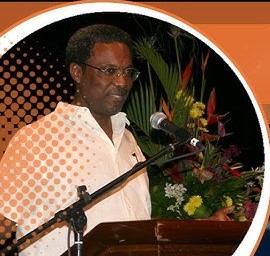
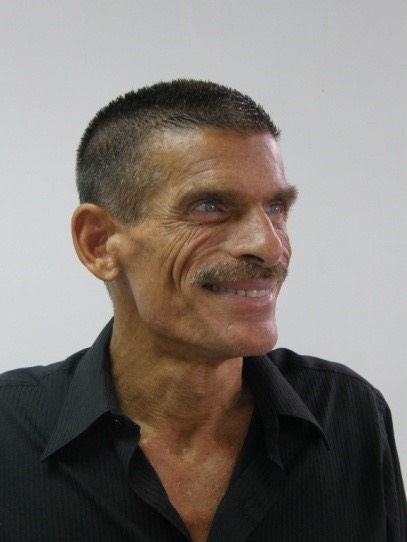
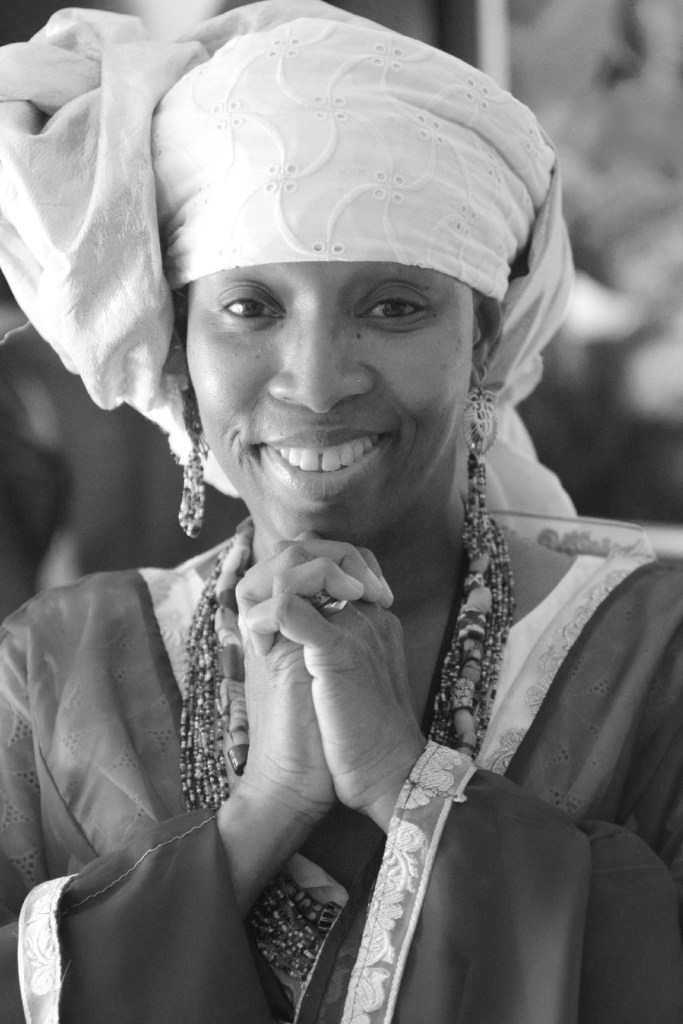
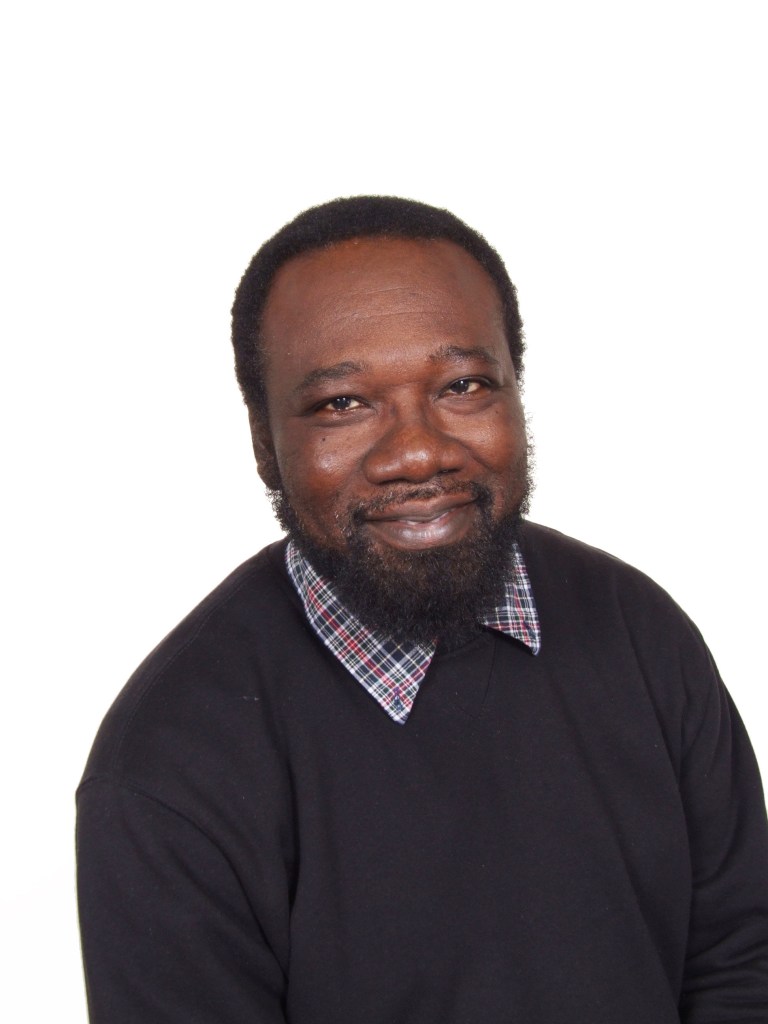
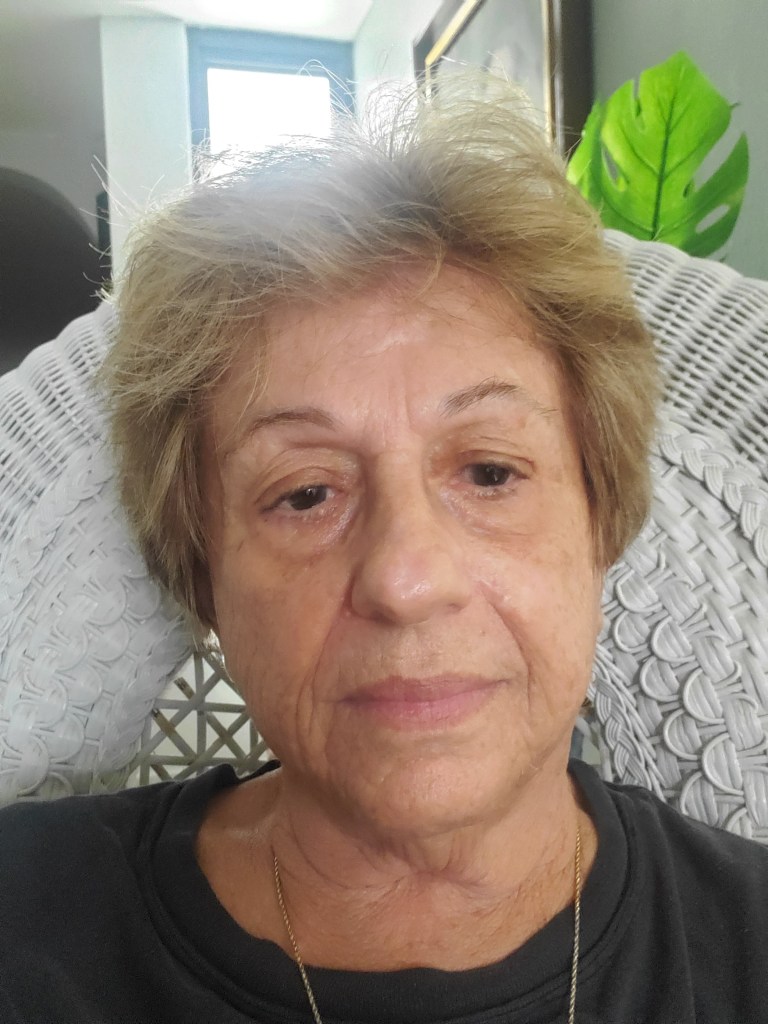
As the original participants aged and some of them gradually retired or passed on, the responsibility for organizing and sustaining the annual conference shifted primarily to UPRRP Professors Dannabang Kuwabong and Nicholas Faraclas, with the continued active support of Professor Peter Roberts of The University of the West Indies, Cave Hill Campus, Professor Alma Simounet of UPRRP and Professor Chenzira Davis Kahina of the University of the Virgin Islands, St. Croix campus. Over time, these became the key figures ensuring the continuity of the event, taking on the primary leadership roles in planning, coordinating, and maintaining the conference’s legacy. Their dedication has been instrumental in upholding the tradition and fostering the collaborative spirit that defines the gathering.
 Islands in Between